

Employee retention strategies are structured approaches designed to reduce employee turnover, boost engagement, and help organizations keep top talent motivated and fulfilled for the long term. In today’s competitive workplace landscape, employers must go beyond basic perks and salaries to build environments where employees want to stay and grow. These strategies serve dual purposes: maintaining workforce stability and fostering productive workplace cultures that support business goals.
At their core, employee retention strategies help organizations reduce turnover reduction costs and improve performance, productivity, and morale. Evidence shows that flexible work options, wellbeing initiatives, strong leadership practices, and transparent development opportunities significantly improve retention outcomes.
What Are Employee Retention Strategies?
Employee retention strategies are company‑wide methods used to encourage valued employees to stay longer. These tactics encompass culture, compensation, career pathways, recognition, wellbeing, and flexible work arrangements — all designed to enhance satisfaction and loyalty. The goal is not just to keep people employed but to help them feel engaged, valued, and part of something meaningful.
Why Employee Retention Matters
Employee retention best practices are essential because replacing talent is costly and disruptive. Hiring and onboarding new talent consumes time, budget, and productivity. Beyond financial impact, high turnover can damage team cohesion, morale, and institutional knowledge. Organizations focused on retention see benefits such as:
- Lower recruitment and training costs
- Stronger employee engagement and productivity
- Increased workplace stability and morale
- Enhanced employer brand and competitive advantage
Many modern retention frameworks include flexible work options, wellbeing programs, and career development support — all of which align employee motivations with organizational goals.
What Makes Employees Stay?
Employees are significantly more likely to stay with an organization when they experience a strong sense of belonging, opportunity, and value — key components of effective employee retention strategies. Research shows that when workers feel included, supported, and aligned with company values, they are far less likely to seek new opportunities elsewhere.

Here are the core drivers that strengthen employee engagement and retention:
- Feeling valued and respected: Employees who perceive their contributions are appreciated and their workplace supports diversity, equity, and inclusion are more likely to stay long term.
- Clear career development retention strategies: Access to growth and learning opportunities, including mentorship programs and continuous skill development, helps employees envision a future with the organization.
- Work‑life balance through flexibility: Flexible schedules, hybrid work models, and respect for personal time improve wellbeing and reduce turnover risk.
- Fair and transparent compensation: Competitive pay and benefits demonstrate an organization’s commitment to its employees’ financial wellbeing.
- Supportive leadership and recognition platforms: Managers who provide constructive feedback, celebrate achievements, and foster trust help employees feel engaged and connected.
When these elements are present, employees are more engaged, productive, and less likely to leave — which is a foundational goal of any strong retention strategy.
What Drives Employees to Leave?
Understanding why employees exit helps organizations craft more effective employee turnover reduction techniques. Research consistently identifies several key factors that undermine retention and prompt departures:
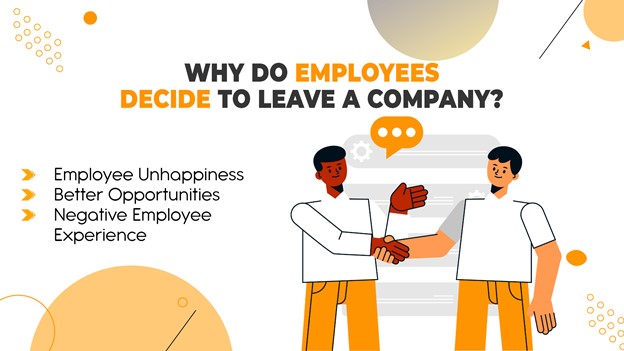
- Lack of career advancement opportunities: Without clear paths for growth, employees may feel stagnant and seek roles elsewhere.
- Poor work‑life balance or burnout: Excessive workload, rigid schedules, or lack of flexibility increase stress and prompt turnover.
- Uncompetitive compensation and benefits: Employees who feel they could earn more or get better benefits at other companies are more likely to leave.
- Weak workplace culture or leadership support: Toxic environments, poor management practices, or lack of recognition erode morale and push employees away.
- Insufficient engagement and meaningful work: When employees feel disconnected from company values or their work lacks significance, disengagement increases turnover risk.
Addressing these issues through robust workplace culture and retention practices, leadership development programs, and targeted engagement efforts is essential to reduce turnover and retain top talent.
Read More: Why Is Employee Retention Important?
Proven Employee Retention Strategies That Drive Loyalty
The following employee retention strategies are proven to reduce turnover, strengthen employee engagement and retention, and support a positive workplace culture and retention outcomes backed by current research and HR analytics insights.
1. Offer Flexible, Hybrid & Autonomy‑Centered Work Models
Flexible work arrangements — including hybrid schedules, remote options, and autonomy in how work gets done — are now essential retention strategy examples. Employees who can balance personal life and professional responsibilities are more likely to stay long‑term, and autonomy is shown to significantly increase engagement and retention likelihood. Autonomy empowers workers to manage their tasks and schedule, which research shows can boost loyalty and retention by up to 39%.
Best Practices for Work Flexibility:
- Hybrid work schedules (balance remote and in‑office days).
- Fully remote options where role‑appropriate.
- Flexible start/end times and compressed workweeks.
- Autonomy in task planning and decision making.
These models improve work‑life balance, reduce burnout, and help organizations remain competitive with modern talent expectations.
2. Build a Strong, Inclusive Workplace Culture
A culture rooted in trust, inclusion, and shared purpose is central to retention. A sense of belonging — where employees feel respected and connected — dramatically increases engagement and reduces turnover risk. Research shows that employees who feel a strong sense of belonging are significantly more engaged than those who don’t.
Focused Areas for Culture & Inclusion:
- DEI (diversity, equity & inclusion) initiatives that are measurable and actionable.
- Values‑aligned organizational mission and transparent communication.
- Employee resource groups (ERGs) and peer support networks.
A workplace culture that values individual contributions and supports respectful collaboration fosters loyalty and positively impacts retention outcomes.

3. Enhance Employee Engagement and Two‑Way Communication
Open, frequent, and transparent communication strengthens employee engagement and retention by helping workers feel understood, informed, and valued. Engagement analytics show that low manager engagement and poor communication are correlated with higher turnover.
Engagement Boosters:
- Pulse surveys, stay interviews, and regular feedback loops.
- Frequent one‑on‑one coach sessions with managers.
- Company town halls, strategy updates, and visible leadership listening.
These practices reduce uncertainty, improve trust, and signal that employee voices matter — key drivers in retention strategy impact.
4. Invest in Career Development & Internal Mobility
Employees stay when they see a clear path to grow, diversify skills, and advance professionally. HR analytics show that career progression remains one of the top motivators for continued employment and reduces turnover risk significantly.
Growth Strategies That Retain:
- Structured leadership and mentorship programs.
- Cross‑functional project opportunities and internal gigs.
- Personalized training budgets and learning pathways.
When workers perceive that their organization supports skill advancement and career development retention strategies, they are far more likely to remain engaged and committed.
5. Provide Competitive Compensation & Tailored Benefits
Fair and transparent compensation is foundational, but modern retention approaches also emphasize personalized benefits that support individual needs such as healthcare, wellness stipends, mental health resources, and lifestyle perks.
Key Compensation & Benefits Elements:
- Clear salary bands and compensation transparency.
- Performance incentives and flexible benefit choices.
- Benefits tailored to lifestyle and personal priorities.
Compensation and total rewards strategies that respect diverse employee needs enhance satisfaction and reduce turnover risk.

6. Recognize & Reward Contributions Consistently
Recognition is a powerful employee turnover reduction technique. Regular praise communicated through peer‑to‑peer platforms, performance dashboards, and manager shout‑outs helps employees feel valued — making them 4‑7x more likely to stay.
Recognition Best Practices:
- Weekly praise programs or achievement badges.
- Public celebration of milestones and impact stories.
- Integration with career development conversations.
Recognition reinforces positive behavior, improves morale, and strengthens emotional connection to the work and the organization.
7. Prioritize Well‑Being & Mental Health Support
Supporting employee wellbeing — both mental and physical — is no longer optional. Wellness programs that address stress management, work‑life integration, and overall health create supportive environments that reduce burnout and improve retention outcomes.
Well‑Being Initiatives That Retain:
- Mental health counseling and confidential support resources.
- Wellness stipends, fitness benefits, and PTO policies.
- Clear boundaries around work hours and after‑hours communication.
Employees who feel personally supported are more likely to stay, grow, and contribute meaningfully.
8. Leverage HR Analytics & Predictive Retention Tools
Using data and analytics to understand turnover patterns and retention risks allows organizations to tailor employee retention strategies more effectively. Predictive models can spot emerging disengagement signals and guide early, personalized interventions before resignations occur.
How HR Analytics Support Retention:
- Track engagement metrics and sentiment trends.
- Forecast attrition risk segments using predictive modeling.
- Customize retention programs based on real‑time data.
Data‑driven retention strategies ensure that decisions are proactive, evidence‑based, and aligned with employee needs — not guesswork.
Conclusion
Strong employee retention strategies are no longer optional — they are a strategic advantage in today’s workforce. Organizations that embrace flexibility, invest in growth, prioritize wellbeing, and foster inclusive cultures not only reduce turnover but also build resilient, engaged teams aligned with business goals.
By advancing your employee retention strategies with holistic, data‑driven best practices, your company can enhance retention, elevate workplace culture, and sustain high performance.
Ready to see retention results in action? BRAVO empowers you to collect real employee feedback, recognize contributions, and strengthen engagement across your workforce. Book your free BRAVO demo today and start building a workplace where top talent stays, grows, and thrives.
FAQs
Employee retention strategies are structured practices designed to keep employees engaged and satisfied so they stay with your company long‑term.
Retention reduces hiring costs, maintains productivity, and strengthens workplace culture.
Hybrid and flexible schedules enhance work‑life balance, job satisfaction, and loyalty, reducing turnover.
Clear growth paths and training show employees a future with your company, increasing engagement.
HR analytics and predictive tools identify potential attrition risks early, enabling targeted intervention.
Yes — personalized and comprehensive benefits signal value and support wellbeing, aiding retention.
A supportive, diverse, purpose‑driven culture fosters belonging and loyalty, directly improving retention.


