

Intrinsic motivation plays a crucial role in how employees think, feel, and perform at work. It influences engagement, innovation, productivity, and long-term organizational success. When employees are energized from within, they deliver better outcomes, show higher commitment, and contribute to a healthier workplace. Understanding the advantages and disadvantages of intrinsic motivation helps leaders build a balanced, sustainable motivation strategy that supports individual fulfillment and business goals.
What is Intrinsic Motivation?
Intrinsic motivation refers to doing work because it feels meaningful, satisfying, or enjoyable. It comes from internal drivers such as autonomy, mastery, curiosity, purpose, and personal growth. Unlike external rewards—bonuses, praise, promotions—intrinsic motivation thrives when employees feel valued, trusted, and connected to their work.
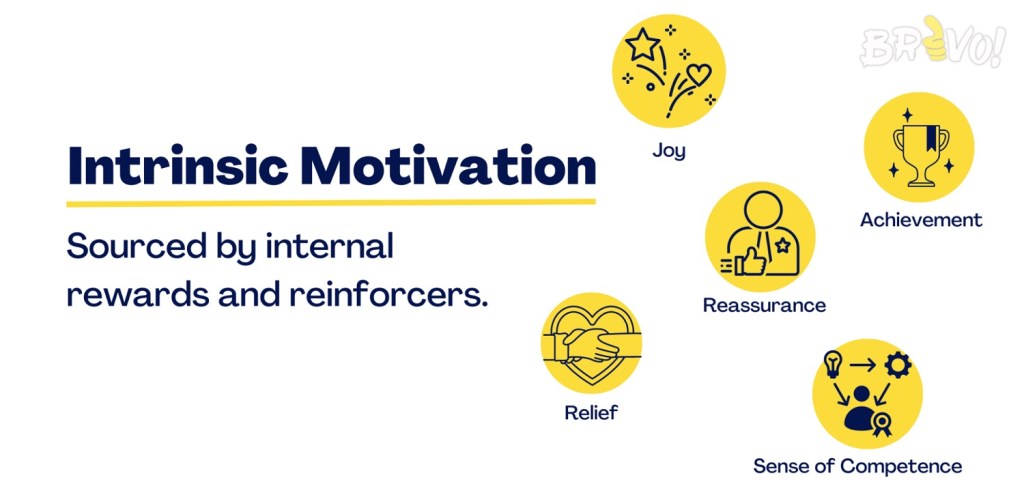
Research in organizational psychology shows that intrinsic motivation leads to deeper engagement and higher quality output. Self-Determination Theory highlights how autonomy, competence, and relatedness shape intrinsic motivation. When employees feel capable, trusted, and connected to others, they deliver higher performance and maintain consistent motivation.
Employees driven by intrinsic motivation tend to stay longer with their organizations, remain more engaged, and contribute proactively. They take initiative, solve complex problems, and maintain a positive attitude toward challenges. When employees feel fulfilled by their tasks, their overall job satisfaction increases, creating a cycle of continuous improvement and motivation.
Boost Engagement. Strengthen Motivation. Transform Culture.
Engagement starts when employees feel seen, valued, and appreciated. Give your team the tool that turns recognition into progress.
Book a Free DemoAdvantages of Intrinsic Motivation in Organizations
Intrinsic motivation brings several long-term benefits to workplaces. These benefits extend beyond performance metrics and influence culture, collaboration, and innovation. For modern organizations, understanding the advantages of intrinsic motivation helps build teams that are resilient, creative, and future-ready.
Read – 5 Intrinsic vs. Extrinsic Rewards to Improve Employee Engagement
1. Increased employee engagement and satisfaction
Employees who find internal meaning in their work show higher levels of engagement and satisfaction. Intrinsic motivation fulfills psychological needs like purpose and competence. When employees feel aligned with their work, they contribute more enthusiastically and participate actively in team efforts.
They find enjoyment in the work itself, not just the reward attached to it. This leads to higher satisfaction levels, stronger emotional connection with their responsibilities, and improved workplace morale. Engaged employees demonstrate greater loyalty and lower turnover, reducing hiring and training costs for organizations. They are more likely to seek opportunities to grow and significantly influence workplace culture through positive contributions.
2. Higher Morale and Stronger Commitment
Intrinsic motivation boosts morale because employees feel empowered and appreciated. They invest emotional energy into their work. This internal drive results in voluntary effort, stronger dedication, and higher ownership of tasks.
Teams led by intrinsically motivated employees experience improved collaboration and interpersonal trust. Their enthusiasm influences team dynamics, creating a positive chain reaction. Motivated employees help others succeed, offer support, and fuel a productive environment.
This level of commitment reduces absenteeism, strengthens team relationships, and improves overall performance. Organizations benefit from employees who go above and beyond because they genuinely care about outcomes.
3. Enhanced Creativity and Innovation
Intrinsic motivation encourages employees to think creatively. When people enjoy what they do, they approach problems with curiosity rather than fear. They explore new ideas, challenge assumptions, and feel comfortable experimenting.
Work environments that support intrinsic motivation often see more innovation because employees feel safe taking risks. Creativity thrives when individuals feel autonomous and confident. Team members offer unique perspectives, improving brainstorming, product development, and strategic planning.
This mindset leads to fresh ideas, faster problem-solving, and new ways of working that strengthen the organization’s competitive advantage.
4. Improved Productivity and Performance
Intrinsic motivation encourages deeper focus, leading to higher productivity and performance. When employees enter a state of flow, they work efficiently and with fewer distractions. They care about the quality of output, showing persistence even during challenges.
High intrinsic motivation correlates with improved long-term performance metrics. Intrinsically motivated employees work proactively rather than reactively, contributing to consistency and excellence. Organizations benefit from sustainable productivity, clearer communication, and stronger performance outcomes across departments.
They deliver work they’re proud of, and their pride inspires others to maintain similar standards.
Read More: Advantages And Disadvantages Of Intrinsic Rewards
Disadvantages of Intrinsic Motivation in Organizations
While intrinsic motivation offers powerful advantages, it is not without challenges. Relying solely on internal motivation may create imbalances in performance management, rewards, and alignment between individual and business goals. Understanding these potential drawbacks helps organizations create a blended approach that works for diverse teams.
1. Reduced Focus on External Rewards
An overemphasis on internal motivation can unintentionally reduce attention to external rewards. While intrinsic motivation drives quality and creativity, extrinsic rewards are essential for certain roles and performance metrics.
For example, sales teams often depend on incentives tied directly to measurable outcomes. Without clear external motivators, employees may overlook short-term goals or performance expectations. Balancing both helps maintain consistency and accountability.
Organizations must ensure that reward systems support both personal fulfillment and measurable achievement.
2. Difficulty in Measuring and Evaluating
Intrinsic motivation is subjective, making it difficult to measure accurately. Unlike extrinsic motivators—bonuses or KPIs—it varies from person to person and depends on emotional states and personal values.
Traditional performance metrics do not fully capture intrinsic drive. Organizations may need to rely on pulse surveys, qualitative feedback, or self-assessment to understand motivation levels. This complexity can make performance evaluations less precise and requires leaders to adopt more flexible measurement models.
Leaders must identify indicators such as problem-solving ability, contribution consistency, initiative, and engagement, which reflect intrinsic motivation more reliably.
3. Challenges in Aligning Motivations With Organizational Goals
Individual motivation does not always align perfectly with company goals. Employees may feel deeply passionate about certain tasks but less interested in organizational priorities.
This misalignment can create inconsistencies in performance or goal achievement. Leaders need to cultivate a sense of shared purpose by clarifying expectations, communicating goals, and providing autonomy within a structured work environment.
Organizations that bridge the gap between personal and organizational goals achieve better alignment, stronger retention, and improved employee satisfaction.
Strategies for Leveraging Intrinsic Motivation in Organizations
Enhancing intrinsic motivation requires intentional effort. Organizations can implement strategies that support autonomy, meaningful work, and recognition. These strategies help employees stay engaged, motivated, and aligned with wider organizational goals.
Tip 1: Cultivating a positive work environment

Leaders set the tone for a motivated workplace. A positive environment encourages transparency, trust, and open communication. Employees who feel valued are more likely to remain engaged.
Provide opportunities for employees to influence decisions, contribute ideas, and shape their roles. Support skill development through training programs, mentorship, and feedback. Give employees room to innovate and experiment. Positive work environments strengthen internal motivation and build long-term loyalty.

Tip 2: Providing meaningful and challenging work

Monotony reduces intrinsic motivation. Employees thrive when challenged with meaningful and diverse tasks. Create opportunities for employees to explore new skills and responsibilities.
Variety encourages creativity and supports continuous learning. Challenge employees with tasks that match their strengths and stretch their abilities. Offer career development paths, learning opportunities, and role progression.
These factors boost satisfaction, engagement, and long-term commitment to organizational goals.
Tip 3: Recognizing and rewarding intrinsic motivation

Recognition builds confidence and strengthens motivation. Celebrate employees not only for measurable outcomes but also for initiative, creativity, collaboration, and growth.
Recognition programs designed to highlight intrinsic motivators—such as teamwork, resilience, leadership, and innovation—foster a strong culture. Public appreciation reinforces positive behaviors and supports a positive environment.
When employees feel seen and appreciated, their intrinsic motivation grows naturally, contributing to higher performance and better engagement.

BRAVO: The AI-Driven Solution for Employee Engagement
BRAVO enhances intrinsic motivation by helping organizations build a culture of recognition and belonging. Its features—real-time appreciation, feedback tools, data insights, and engagement metrics—enable leaders to understand motivation levels and strengthen workplace culture.
The platform helps connect individual achievements with organizational goals, ensures timely recognition, and encourages a transparent, people-first environment. With BRAVO, employees feel heard, valued, and supported, driving long-term motivation and improved overall performance.
Final Thoughts
Intrinsic motivation benefits organizations through enhanced satisfaction, creativity, productivity, and commitment. While it presents challenges in measurement and alignment, a balanced strategy helps maximize its impact. By integrating intrinsic motivation with effective extrinsic rewards, organizations achieve better results, higher retention, and stronger engagement.
Platforms like BRAVO help organizations foster recognition, connection, and meaningful work—core elements that drive intrinsic motivation. When employees feel appreciated and supported, they perform at their best.
Ready to build a motivated, high-performing team?
Experience how BRAVO transforms engagement and recognition.
FAQs
Intrinsic motivation is the internal drive to perform tasks for personal satisfaction, growth, and enjoyment. Employees motivated intrinsically find meaning in their work, fostering engagement, creativity, and higher productivity without relying solely on external rewards.
Intrinsic motivation comes from personal interest, fulfillment, and passion for the work itself. Extrinsic motivation relies on outside incentives like bonuses, promotions, or praise. Balancing both can maximize performance, engagement, and long-term employee satisfaction.
Intrinsic motivation boosts employee engagement, creativity, and commitment. It enhances job satisfaction, improves productivity, reduces turnover, and encourages innovative problem-solving, helping organizations achieve goals while maintaining a motivated and fulfilled workforce.
Relying only on intrinsic motivation may limit focus on measurable goals and external rewards. It can make performance evaluation harder, create misalignment with organizational objectives, and sometimes slow down achieving urgent business targets without extrinsic incentives.
Managers can encourage intrinsic motivation by providing meaningful work, autonomy, growth opportunities, and regular recognition. Clear communication of purpose, skill development, and supportive leadership helps employees feel valued and engaged in their roles.
Intrinsic motivation can be assessed using surveys, structured interviews, engagement metrics, and behavioral indicators like discretionary effort, creativity, and initiative. Tools like the Intrinsic Motivation Inventory help quantify internal drive while linking it to organizational performance.


